Losing Your Train of Thought? 3 Gentle Evening Habits Adults Over 60 Use to Support Everyday Memory and Focus
A name on the tip of your tongue, a forgotten errand, a page you can’t recall reading. Our editors looked at what research says about evening routines — including a warm honey-and-menthol wind-down — and at the part most versions of that ritual leave out.
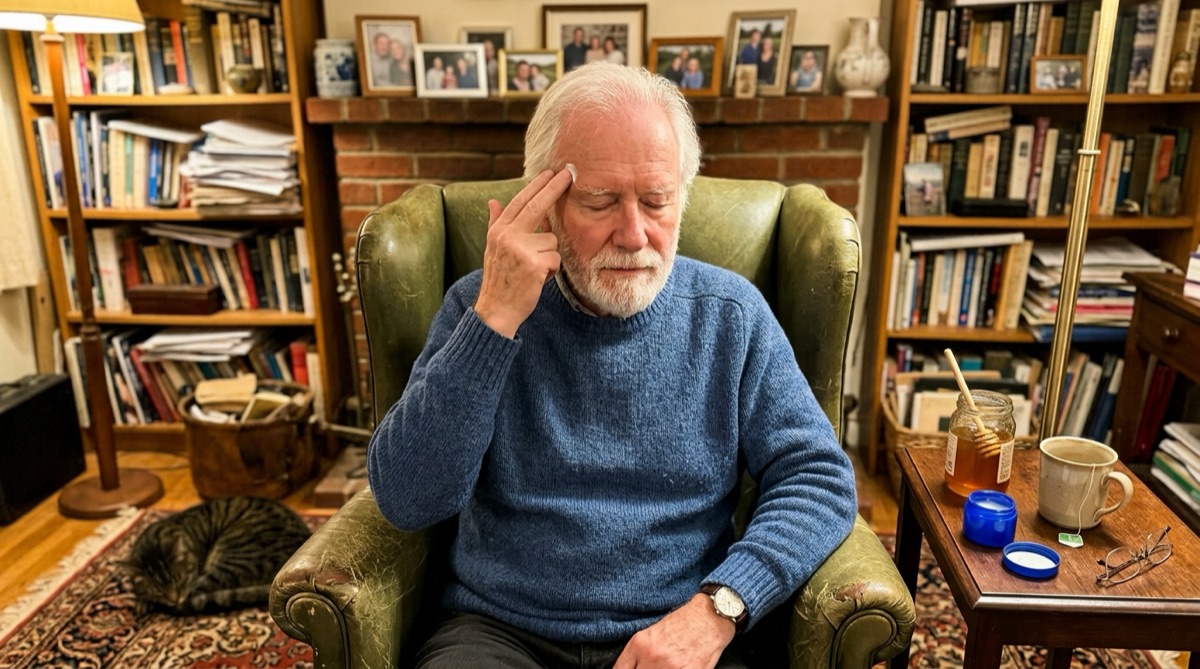
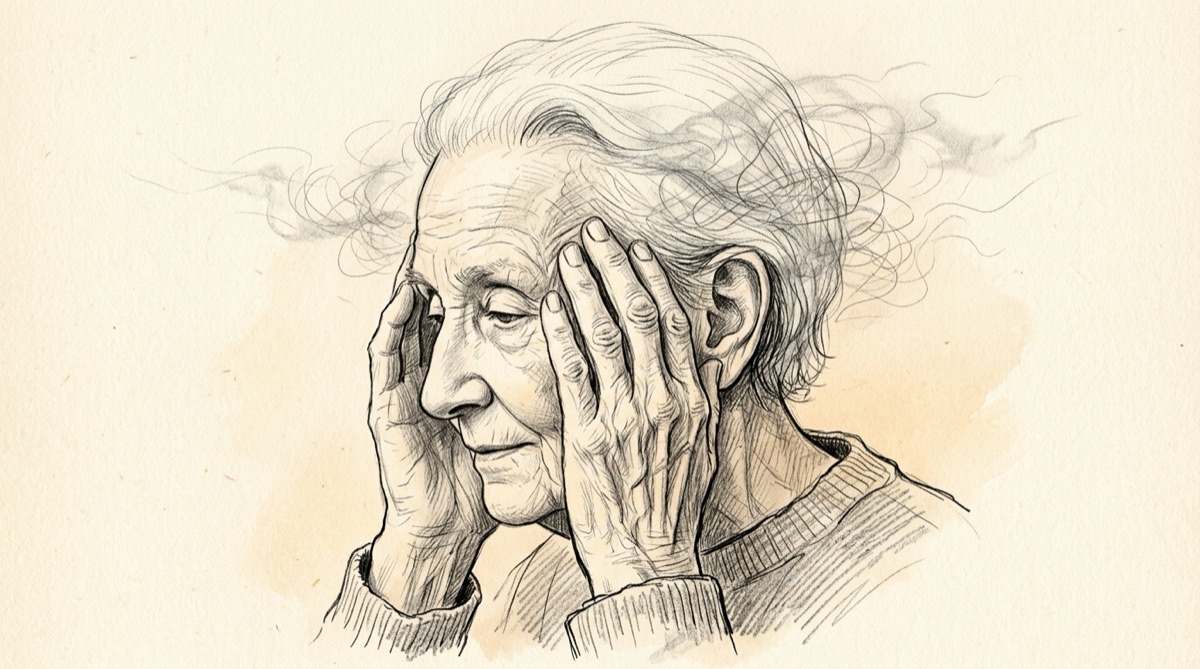
You walk into the kitchen and forget why. A familiar name slips just out of reach. You finish a page and realize nothing stayed with you. Moments like these are among the things adults over 60 most often mention to their families and doctors.
With age, changes in sleep quality, circulation and the way the brain handles everyday stress can make recall feel a step slower than it used to. Many people shrug it off, lean on sticky notes and phone alarms, or try one puzzle app after another — and still feel that nothing fits the rhythm of their day.
Does This Sound Familiar?
- Walking into a room and forgetting why you went there
- A familiar name that stays just out of reach
- Re-reading the same paragraph without it sticking
- Waking up with a foggy, slow-starting mind
If you nodded to a few of these, you are in good company. These are common everyday experiences, and the habits below are about routines — not diagnosis.

Restless nights? Sleep is when the brain sorts what mattered from what didn’t. Long hours sitting? Stretches without movement can leave body and mind feeling heavy. Evenings full of screens and worries? A racing mind at bedtime makes it harder to wind down.
That is why the editors at Lucid Years Gazette went through the research on everyday habits that support a clear, healthy mind — and why a growing number of adults are building a quiet nightly ritual around a jar of honey and a menthol balm.
Habits that are small enough to repeat every night tend to matter more than dramatic changes.Lucid Years editors
 Habit 1
Treat Sleep as the Main Event — It’s Where Memories Get Filed
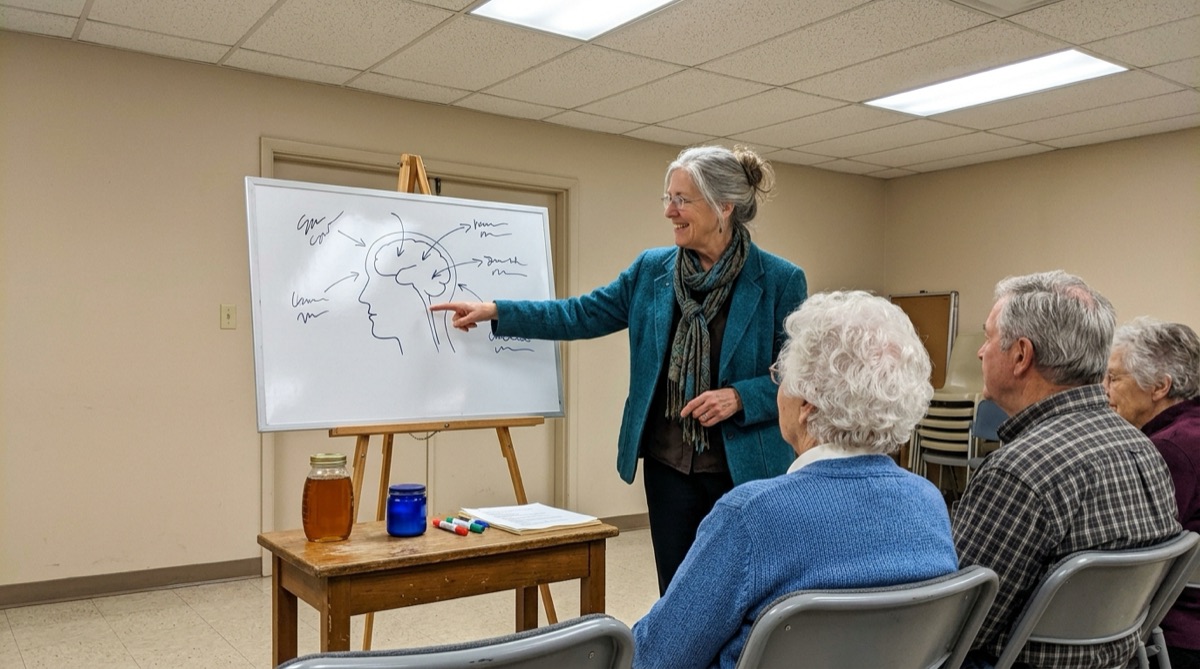
While you sleep deeply, the brain replays the day and moves what matters into longer-term storage. When nights are short or broken, that sorting has less time to finish.
The goal is to support healthy memory and focus with evening habits you can actually keep: a steady bedtime, a dim and quiet bedroom, fewer screens in the last hour and a gentle sequence that tells your body the day is done. Writing a few lines each morning about how clear you felt gives your doctor something concrete to look at, too.
 Habit 2
Keep Body, Mind and Social Life Moving
Regular movement helps keep blood flowing to the brain, which uses oxygen and nutrients every second. Staying connected with other people and keeping your curiosity alive count just as much.
Small things add up: a walk after dinner, a long call with an old friend, a crossword, a new recipe or a few words of a new language. None is dramatic on its own, yet together they keep the mind busy and engaged. The National Institute on Aging lists physical activity, social connection and good sleep among the habits that support cognitive health as we age.
 Habit 3
Close the Day With a Honey & Menthol Wind-Down
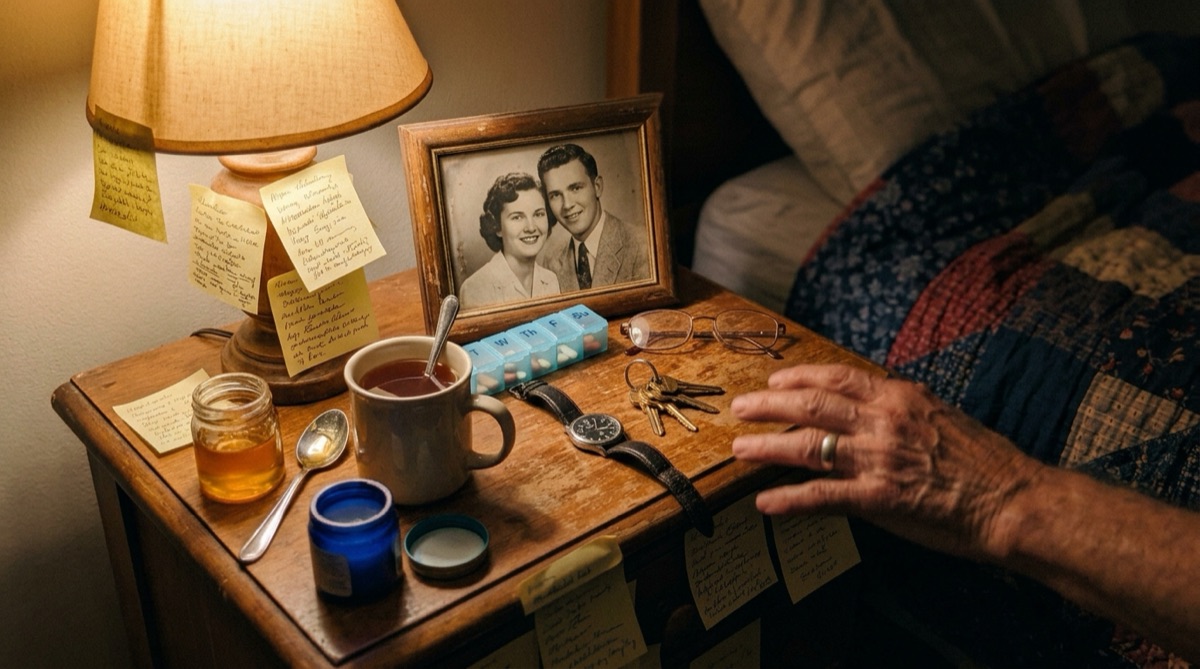
Many older adults are trying a short, comforting routine at the end of the day: a spoonful of honey stirred into warm, caffeine-free tea, plus a small amount of menthol-camphor balm on the chest, so its cool, familiar scent fills the room as they unwind.
Why this pairing? Honey is a traditional evening comfort that naturally contains antioxidant compounds, and a warm cup is a classic cue for the body to slow down. Researchers have also studied how aromas such as peppermint and rosemary relate to alertness, mood and memory performance in healthy adults. Together they turn bedtime into a calm ritual you can repeat every night.
Still, this ritual speaks to only one part of the picture. A full report explains why home tricks like this mostly shape how you feel at night — and looks at the simple daily nutrition routine many older adults add to it.
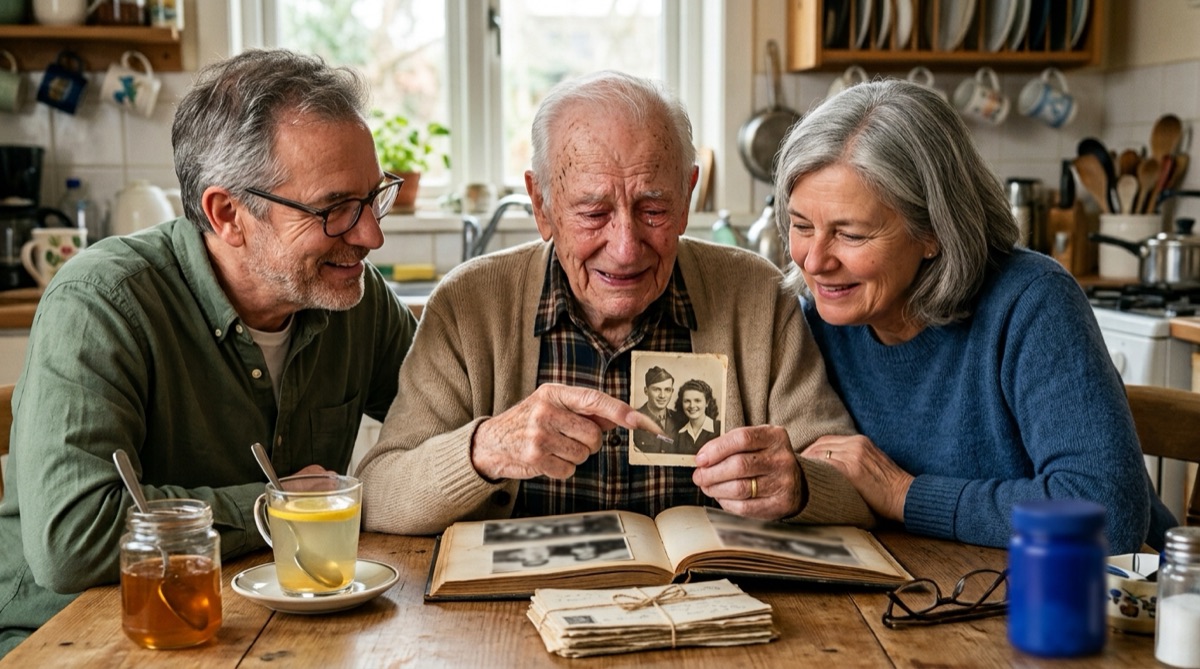
Safety note: use menthol-camphor balms only on the skin of the chest or throat as the label directs — never inside or under the nose, never on broken skin and never on young children. Honey should not be given to infants under 12 months. If you have diabetes, another medical condition or take medication, check with your doctor before changing your routine.

More Evening Ideas Worth Knowing

Caffeine-free tea with a spoonful of honey — a gentle way to mark the end of the day.

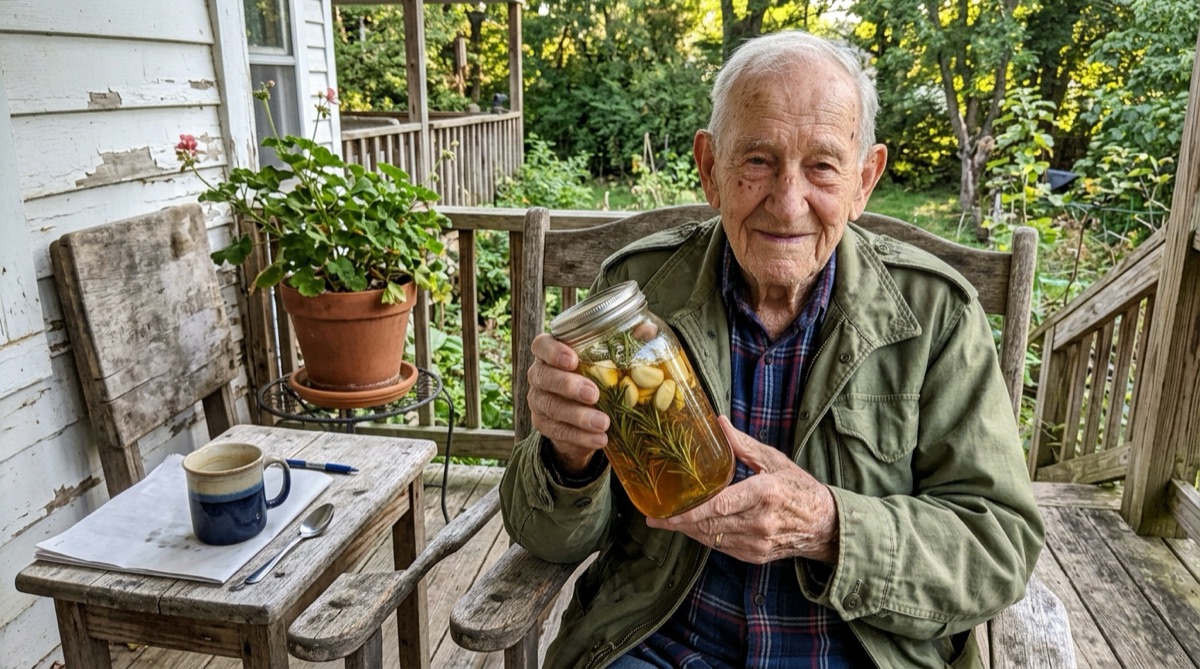
A pantry classic: garlic cloves and fresh rosemary resting in a jar of honey.
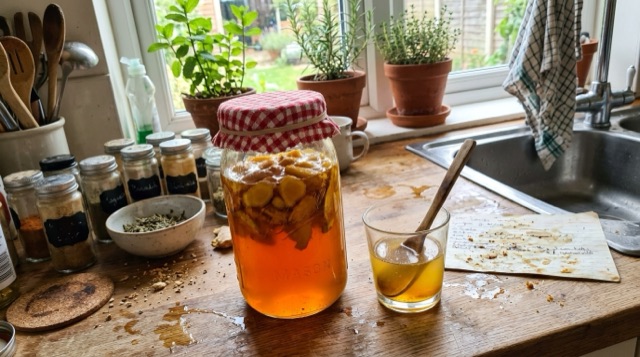
A big jar of honey infusion on the kitchen counter — a familiar ritual explained in the report.
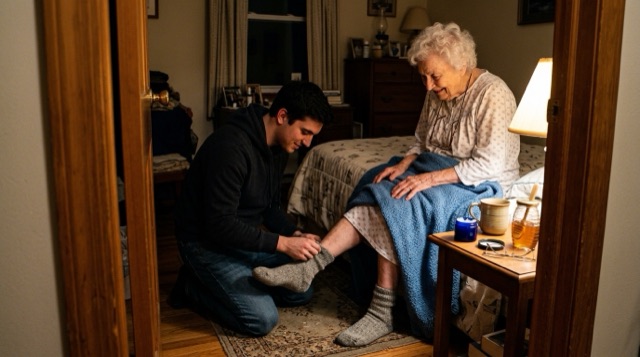
Honey and balm on the nightstand: why some families share the bedtime ritual — and what the full report adds.
Frequently Asked Questions
Quick answers to what readers ask most about evening habits, the honey & menthol ritual and MemoryFuel.
Are occasional memory slips after 60 normal?
Small slips — misplaced glasses, a name on the tip of your tongue — are commonly reported as people get older, and everyday factors such as poor sleep, stress and busy schedules can play a part.
Talk to your doctor if the changes are sudden, keep getting worse or get in the way of daily tasks such as handling money, taking medication or driving.
Is the honey & menthol ritual a treatment for memory problems?
No. It is described here as a relaxation habit for winding down in the evening. It is not a treatment and it is not part of any product.
Use menthol-camphor balms only on the skin of the chest or throat as the label directs — never inside or under the nose, never on broken skin and never on young children. Honey should not be given to infants under 12 months.
What is MemoryFuel?
MemoryFuel is a dietary supplement made by Nutraville. It comes as a powder that you mix into a drink, as directed on the label, and it is marketed to support everyday memory, focus and mental clarity as part of a healthy routine.
It is not a drug and it is not intended to diagnose, treat, cure or prevent any disease. Individual results vary.
What is in MemoryFuel?
According to the manufacturer’s announcement, its main ingredients include creatine monohydrate, choline, magnesium glycinate, vitamin B12, vitamin D3 and L-theanine. The complete ingredient list, amounts per serving and allergen information are on the product’s Supplement Facts label — read it before you buy.
Is it a medicine or a medical treatment?
No. It is a dietary supplement. It is not a medicine and it does not replace medical care. The statements on this site have not been evaluated by the Food and Drug Administration.
What happens after I click the button?
You continue to a detailed article about this nightly ritual and MemoryFuel. If you decide to buy, checkout is processed securely by ClickBank, and the final price is shown in your currency before you pay.
Shipping details for your package are shown on the checkout page.
Is there a return policy?
MemoryFuel is sold through ClickBank, which states that it will allow the return or replacement of any product within 90 days from the date of purchase. Requests are made through ClickBank’s customer support, and the full terms are shown on the checkout page.
Who should check with a doctor first?
Check with your doctor before using any supplement if you are pregnant or nursing, have a medical condition (including kidney problems) or take medication, or if memory changes are sudden, severe or getting worse.
Stop use and ask a doctor if you have a bad reaction. Keep out of reach of children.
How long before I notice a difference?
New habits take time. Most people give a routine like this a few weeks before deciding how it is working for them. Individual results vary, and no outcome is guaranteed.
Sources
- National Institute on Aging, National Institutes of Health. "Cognitive Health and Older Adults." nia.nih.gov
- Moss M, Cook J, Wesnes K, Duckett P. "Aromas of rosemary and lavender essential oils differentially affect cognition and mood in healthy adults." International Journal of Neuroscience. 2003;113(1):15–38.
- Moss M, Hewitt S, Moss L, Wesnes K. "Modulation of cognitive performance and mood by aromas of peppermint and ylang-ylang." International Journal of Neuroscience. 2008;118(1):59–77.
Compliance & Advertising Disclosures
FDA Compliance: The statements and information on this site have not been evaluated by the Food and Drug Administration. This product and content are not intended to diagnose, treat, cure, or prevent any disease. Information is shared for educational and informational purposes only. Always consult your physician or a qualified healthcare professional before starting any diet, supplement, or exercise routine.
Results May Vary: Individual results will vary depending on health status, lifestyle and consistency. Any photos of people on this site feature models. The honey and menthol balm ritual described here is a relaxation habit, not a treatment, and is not part of any product.
Advertorial Disclosure: This website is an educational advertorial operated by VIVAZ SAUDE MENTAL LTDA (Lucid Years Gazette), which promotes MemoryFuel, a dietary supplement made by Nutraville, and may receive compensation from purchases made through it. It is a promotional publication and is not affiliated with any news organization or with the makers of any balm brand.